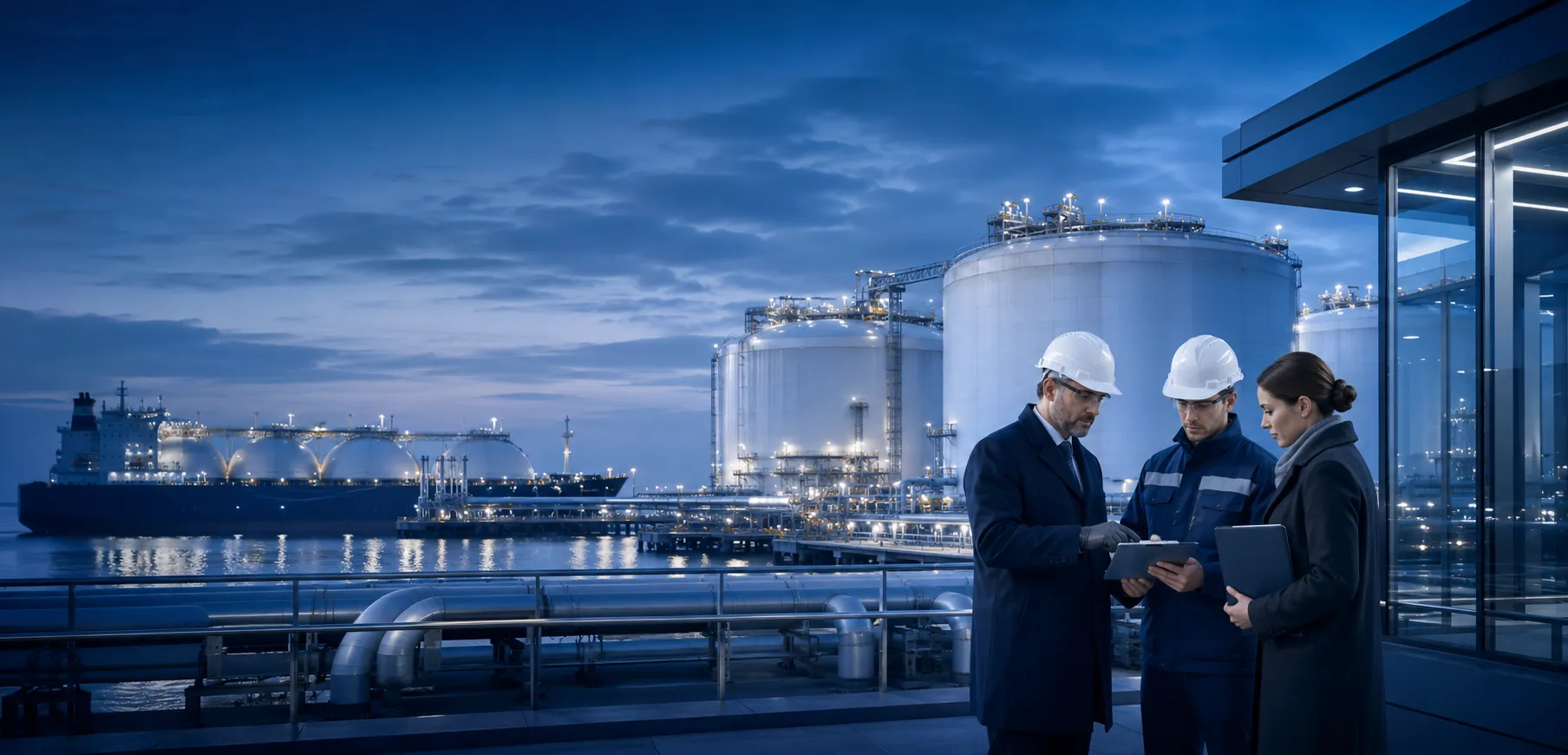
Oil and gas translation requires technical accuracy, consistent terminology and careful handling of safety-critical, commercial and confidential information. Engineering documents, drilling reports, HSE procedures, contracts, tender files and training materials each require a different approach to terminology, review and risk control.
At PangeaVox Translation, we support oil and gas, energy, engineering and industrial clients with translation and related language services for technical, operational, legal, HSE, corporate and training content.
The right workflow depends on the type of document and its final use. A maintenance procedure, well report, safety manual, EPC contract, environmental report or training video may each require a different level of subject-matter knowledge, terminology control, formatting support and quality review.
For written oil and gas documents, clients can also review our Translation Services.
Technical and engineering documents in the oil and gas sector often contain specialised terminology, equipment names, abbreviations, measurements, diagrams, tables, procedures, warnings and cross-references.
We support translation of manuals, technical specifications, engineering reports, equipment documentation, maintenance materials, data sheets, procedures, drawings-related text, inspection documents and technical correspondence.
The translation must preserve technical meaning, sequence, units, numbers, safety wording, equipment references and document structure. For complex materials, glossaries, previous translations, drawings, diagrams and reference documents help maintain consistency.
Best suited for:
Technical manuals, engineering reports, specifications, equipment documentation, maintenance materials, data sheets, inspection documents and technical correspondence.
To help us provide the best possible service, please share the following information:
Document type, technical discipline, source and target language, target audience, intended use, terminology requirements, reference materials, file format, required workflow and deadline.
Drilling, production and operations content requires precise terminology and careful attention to procedures, sequence, figures and field-specific context. These documents may be used by engineers, field personnel, managers, contractors or operational teams.
We support translation of drilling programmes, well reports, production reports, operational procedures, field documentation, shift reports, maintenance logs, equipment records, operating instructions and project communication.
Operational content should be clear, consistent and suitable for the intended user. Ambiguity in procedures, figures or terminology can create confusion and operational risk.
Best suited for:
Drilling programmes, well reports, production reports, operational procedures, field documentation, shift reports, maintenance logs and operating instructions.
To help us provide the best possible service, please share the following information:
Document type, project context, source and target language, target users, terminology requirements, reference materials, required workflow, confidentiality requirements and deadline.
Health, safety and environment content is safety-critical. It must be translated with close attention to instructions, warnings, risk levels, emergency procedures, incident descriptions, control measures, responsibilities and terminology.
We support translation of HSE manuals, safety procedures, risk assessments, incident reports, emergency response materials, toolbox talk content, training materials, environmental health and safety documents, internal policies and compliance-related content.
For safety-critical materials, a risk-aware workflow is essential. Depending on the intended use, the workflow may include translation, revision, terminology checks and final quality control.
Best suited for:
HSE manuals, safety procedures, risk assessments, incident reports, emergency response materials, training content, internal policies and compliance-related documents.
To help us provide the best possible service, please share the following information:
Document type, target audience, source and target language, intended use, risk level, terminology requirements, reference materials, required workflow and deadline.
Oil and gas projects often involve complex commercial, contractual and procurement documentation. These materials require accurate handling of obligations, specifications, schedules, prices, technical requirements, commercial terms, claims-related wording and party names.
We support translation of service agreements, EPC-related materials, supplier documents, tender documentation, purchase orders, procurement files, commercial proposals, claims-related correspondence, contract schedules and supporting legal or commercial documents.
For contracts and tender files, terminology, numbers, defined terms, dates, references and formatting must be handled consistently.
Best suited for:
Service agreements, EPC materials, supplier documents, tender documentation, purchase orders, procurement files, commercial proposals and contract-related correspondence.
To help us provide the best possible service, please share the following information:
Document type, source and target language, project context, intended use, deadline, reference documents, terminology requirements, formatting requirements and confidentiality requirements.
For written contracts and tender files, clients can also review our Translation Services.
Oil and gas companies may need translation for regulatory, environmental, sustainability, corporate and stakeholder communication. These materials often combine technical, legal, environmental and business language.
We support translation of permits, environmental reports, sustainability materials, compliance documentation, policies, corporate reports, stakeholder communication, internal procedures, public-facing materials and supporting documentation.
For regulatory or environmental documents, the translation should preserve formal wording, technical meaning, figures, units, references and document structure. Clients remain responsible for confirming legal or regulatory requirements in the relevant jurisdiction.
Best suited for:
Permits, environmental reports, sustainability materials, compliance documentation, policies, corporate reports, stakeholder communication and internal procedures.
To help us provide the best possible service, please share the following information:
Document type, intended use, receiving organisation if applicable, source and target language, subject area, terminology requirements, reference materials and deadline.
Oil and gas projects often require multilingual training materials for employees, contractors, technical teams, field personnel or partner organisations. These may include safety training, onboarding materials, technical training, e-learning, webinars, product demonstrations and internal learning content.
Training content must be clear, consistent and practical. Where audio, video, subtitles, captions, voice-over scripts or interactive materials are involved, multimedia localisation may be required.
For training videos, webinars, safety modules and e-learning materials, clients can also review our Multimedia Localisation service.
Best suited for:
Safety training, onboarding materials, technical training, e-learning modules, webinars, product demonstrations, internal learning content and contractor training materials.
To help us provide the best possible service, please share the following information:
Training format, target audience, source and target language, technical or safety context, video or audio files if applicable, scripts or transcripts, terminology requirements and final delivery format.
Oil and gas materials often include tables, diagrams, charts, numbered procedures, forms, reports, manuals, presentations and structured PDFs. After translation, these elements may need checking to ensure that the final file remains readable and usable.
Desktop publishing can help preserve document structure, tables, headings, diagrams, captions, page flow, numbering, forms and final PDF output. This is especially useful for manuals, reports, safety documents, technical files, training materials and publication-ready documents.
For translated oil and gas materials that need layout adaptation, clients can also review our Desktop Publishing service.
Best suited for:
Technical manuals, HSE documents, reports, presentations, forms, structured PDFs, diagrams, tables, training materials and publication-ready files.
To help us provide the best possible service, please share the following information:
Editable source files, reference PDF, target language, final delivery format, diagrams or tables, layout requirements, brand guidelines if available and deadline.
Some oil and gas projects involve large volumes of structured, repetitive or regularly updated technical content. In suitable cases, machine translation post-editing may help manage volume, time and budget while keeping human review in the workflow.
MTPE is not suitable for every oil and gas document. It may be appropriate for low-risk, structured, repetitive or internal content where the expected quality level is clearly defined. High-risk HSE, legal, regulatory, safety-critical or publication-sensitive content may require a fuller human translation and review workflow.
For machine-translated technical content that requires human review, clients can also review our MTPE service.
Best suited for:
High-volume internal documentation, repetitive technical materials, structured support content, knowledge base articles and low-risk technical updates.
To help us provide the best possible service, please share the following information:
Source files, machine translation output if available, content type, expected quality level, risk level, terminology requirements, deadline and whether publication-level review is required.
Oil and gas projects may also require spoken language support for meetings, negotiations, site visits, training sessions, technical consultations, audits, inspections, supplier discussions or project briefings.
Depending on the setting, this may involve on-site interpreting, video remote interpreting, phone interpreting, consecutive interpreting or simultaneous interpreting. The format should be selected according to the subject matter, number of participants, location, confidentiality requirements and technical setup.
For spoken language support, clients can also review our Interpreting Services.
Best suited for:
Technical meetings, negotiations, supplier discussions, audits, inspections, site visits, training sessions and project briefings.
To help us provide the best possible service, please share the following information:
Meeting date, duration, location or platform, source and target language, subject matter, number of participants, interpreting format if known and any agenda or reference materials.
Quality control for oil and gas translation requires attention to terminology, completeness, units, numbers, equipment names, abbreviations, product references, safety wording, procedures, tables, figures, formatting and document purpose.
Oil and gas materials may contain sensitive commercial, operational, technical, environmental, legal or project-related information. Confidential handling is essential throughout the workflow.
Depending on the project, the workflow may include translation, revision, terminology checks, MTPE review, layout checks and final quality control. For more information about our broader quality process, clients can review our Quality Assurance page.
Best suited for:
Technical, operational, HSE, legal, regulatory, procurement, corporate and training materials in oil and gas projects.
To help us provide the best possible service, please share the following information:
Glossary, style guide, previous translations, approved terminology, reference materials, confidentiality requirements, intended use, risk level and any specific review requirements.
Oil and gas projects may require more than standard written translation. Depending on the content type, file format and final use, related services may help prepare the material for review, publication, training, submission or multilingual communication.
For written technical, operational, legal and corporate documents, Translation Services may be required. For high-volume structured content, MTPE may be suitable when human review is included and the risk level allows it. For technical PDFs, manuals, reports and presentations, Desktop Publishing can help preserve the final layout. For safety videos, webinars, training modules and e-learning content, Multimedia Localisation may be relevant. For meetings, site visits, audits and negotiations, Interpreting Services may be required.
To help us provide the best possible service, please share the following information:
If you are not sure which workflow is right for your project, you can send the files through the Request a Quote page.
Send us your technical, operational, HSE, contractual, procurement or training materials with the language pair, intended use, terminology references and deadline. We will review risk level and formatting needs before recommending a workflow.
Translate safety, operational and specialist energy content.
Prepare formatted manuals, reports and technical files.
Related support for equipment and process documentation.
Consistency checks for high-risk technical content.
Need help? Start a conversation: